Maintenance Tips for Japanese Vehicles
Simple, practical guidance to help your Toyota, Honda, Nissan, Subaru, Mazda, or Lexus stay reliable between visits—plus clear signs it’s time to schedule service.
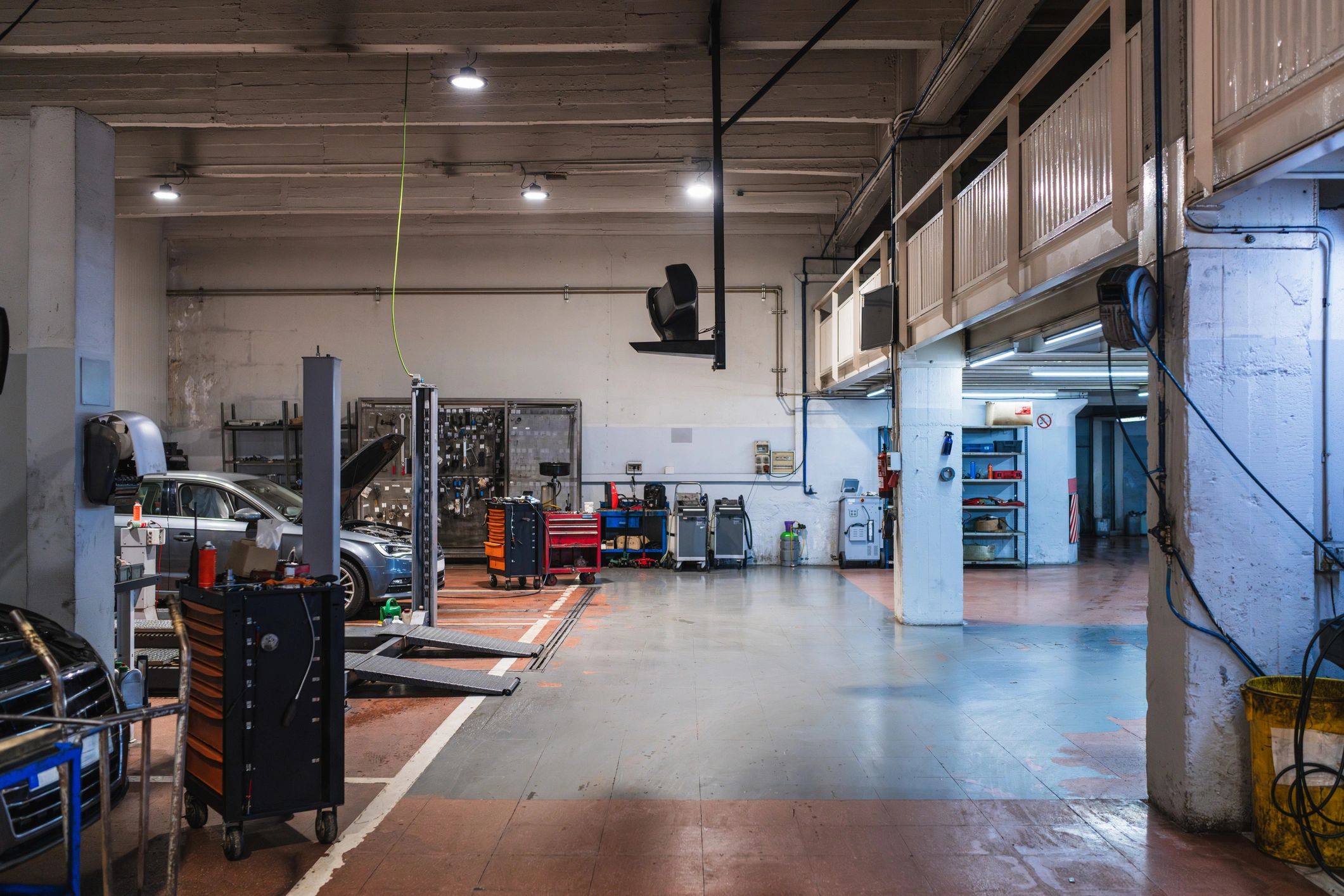
Your maintenance checklist, simplified
Use these tips as a baseline. Always follow your owner’s manual and let us tailor intervals to your driving conditions.
Oil & filter
Follow the correct viscosity and interval. Short trips and stop‑and‑go driving often require more frequent changes.
Tires & alignment
Check pressure monthly, rotate regularly, and align if you notice pulling, uneven wear, or a steering wheel that’s off‑center.
Brakes
Listen for squeal/grind and watch for vibration. Brake fluid should be tested and replaced at recommended intervals.
Fluids
Coolant, transmission, and power steering fluids protect expensive components—inspect for level, condition, and leaks.
Battery & charging
Clean terminals and test the battery before extreme heat/cold. A weak battery can trigger false warning lights.
Filters
Cabin and engine air filters improve performance and comfort. Replace sooner in dusty or high‑pollen areas.
Belts & hoses
Cracks, glazing, or swelling are warning signs. Preventive replacement avoids roadside breakdowns.
Warning lights
Don’t ignore a check engine light. A quick scan can prevent minor issues from becoming major repairs.
Seasonal tips that prevent big repairs
A few proactive checks each season can protect your engine, brakes, and drivetrain—especially on Japanese vehicles with tight tolerances.

Summer heat prep
Inspect coolant strength, radiator condition, and A/C performance. Heat accelerates battery wear and can expose weak hoses.

Winter readiness
Test the battery, check tire tread, and confirm the heater/defroster works properly. Cold starts are hard on engines.

Road‑trip inspection
Before long drives: check tire pressure, brakes, fluids, wipers, and lights. Catching issues early avoids travel disruptions.

Stop‑and‑go driving
City driving can shorten oil and brake life. Consider shorter service intervals and keep an eye on brake pad wear.

High‑mileage care
Address seepage early, monitor fluid condition, and keep up with spark plugs and valve adjustments where applicable.

New noises or vibrations
Rattles, hums, or shakes are often early warnings. A quick diagnostic can save you from a larger repair later.
Maintenance FAQs
General guidance for Japanese vehicles. For exact intervals, we’ll reference your model, mileage, and driving conditions.
How often should I change my oil?
Most vehicles fall between 5,000–7,500 miles depending on oil type and driving habits. Frequent short trips, heavy traffic, or extreme temperatures can shorten intervals.
Do I need OEM parts?
OEM parts are designed to match factory specifications for fit and performance. We’ll recommend OEM when it’s the best choice for reliability, safety, and long‑term value.
When should I service my transmission?
Transmission service intervals vary widely. If you tow, drive in heavy traffic, or notice slipping/rough shifts, it’s smart to inspect fluid condition and follow a tailored schedule.
Why is my check engine light on if the car feels fine?
Many issues don’t affect drivability right away. A scan can identify small problems (like an EVAP leak) before they turn into expensive repairs or emissions failures.
What causes uneven tire wear?
Common causes include incorrect tire pressure, worn suspension components, and misalignment. Regular rotations and alignment checks help maximize tire life.
How do I know if my brakes need attention?
Squealing, grinding, vibration, longer stopping distances, or a soft pedal are all signs to schedule an inspection. Brake fluid condition also matters for safe braking.